

Gambling and Sports Betting Regulation in the CIS: Legal Frameworks, Market Status, and Trends
Introduction: A Region of Diverse Gambling Laws
The Commonwealth of Independent States (CIS) encompasses a wide range of regulatory approaches to gambling and sports betting, from tightly controlled monopolies to opening markets for regulated operators. Because the region’s legal frameworks vary significantly, understanding the regulatory environment is critical for operators, players, and policymakers.
Russia: Regulated Sports Betting, Restricted Casinos
In Russia, sports betting is legal and regulated, while traditional casino gambling is limited to designated zones.
Legal structure highlights:
Sports betting is regulated by the Federal Tax Service
Licensed operators must comply with strict financial reporting and anti-money-laundering rules
Online casinos are generally prohibited for residents, though offshore and lottery offerings exist
Russia’s approach places emphasis on central control and taxation. Industry observers note that betting turnover continues to grow despite restrictions on casino games.
For more on Russian regulation, see official government information.
Kazakhstan: Recent Moves Toward Regulation
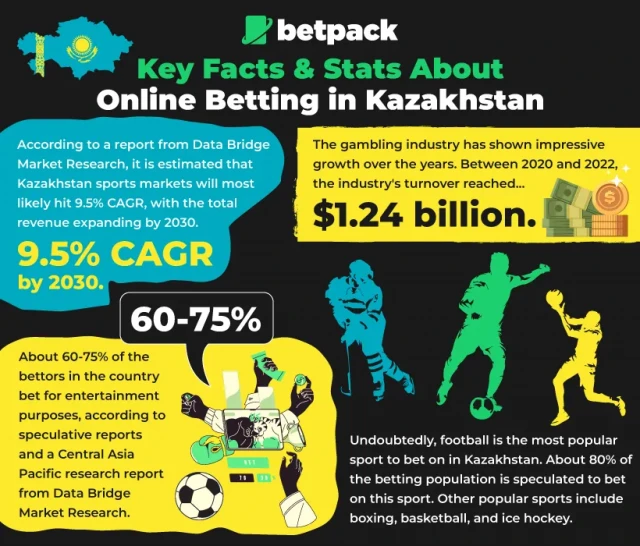
Kazakhstan has taken steps to regulate online gambling more clearly. Historically, gambling was prohibited outside of designated zones, but recent legislative discussions have focused on licensing online sports betting and skill-based games.
Key points:
The government has introduced new bills to provide frameworks for online operators
Licensing fees and compliance requirements are being defined
Player protection and taxation are central concerns
Industry experts view Kazakhstan as a potentially expanding CIS market, if new regulations are implemented effectively.
Ukraine: Regulated Market with Growing Online Activity
Ukraine’s gambling market was legalized in 2020 after being banned for nearly two decades. The current framework, overseen by the Commission for the Regulation of Gambling and Lotteries, allows:
Licensed casinos (online and land-based)
Sports betting operators
Online poker and virtual games
Licensing requirements include financial guarantees and compliance with responsible gaming rules. Ukraine’s model has been described as one of the most open within the CIS, although enforcement and economic conditions continue to evolve.
Authoritative analysis on Ukrainian gambling reforms can be found via Global Gaming Business and related industry reporting.
Armenia, Belarus, and the Caucasus States
Other CIS members exhibit varying approaches:
Armenia permits licensed betting and lottery activities, though regulation is developing
Belarus maintains a centralized state gambling controller with limited licensed operators
Georgia has seen periodic legislative changes balancing market access and controls
These markets are comparatively small but display unique regulatory trajectories tied to broader economic policy.
Common Trends in the CIS Region
While laws differ, several common patterns emerge:
1. State Control and Revenue Protection
Most CIS jurisdictions emphasize government oversight, high licensing fees, and strict financial compliance.
2. Limited Casino Liberalization
Unlike Western Europe or North America, many CIS markets restrict online casino offerings or limit them severely.
3. Growth of Sports Betting
Football and other major sports continue to drive betting demand, often outpacing regulatory reform.
4. Anti-Money Laundering Focus
AML and identity verification mechanisms are a central part of compliance, particularly in Russia and Ukraine.
Why Regulation Matters
Legal clarity affects:
Player safety and consumer protection
Tax revenue and economic integration
International operator participation
Responsible gaming and problem gambling prevention
As CIS markets continue to evolve, analysts emphasize the importance of consistent enforcement and transparency.
Conclusion
The CIS region does not have a uniform approach to gambling and betting regulation. Instead, it comprises a patchwork of models ranging from licensed sports betting (Russia, Ukraine) to emerging online frameworks (Kazakhstan) and restricted environments (Belarus, Armenia). Operators and players must navigate these differences carefully, with an eye toward evolving legislation and enforcement trends.